

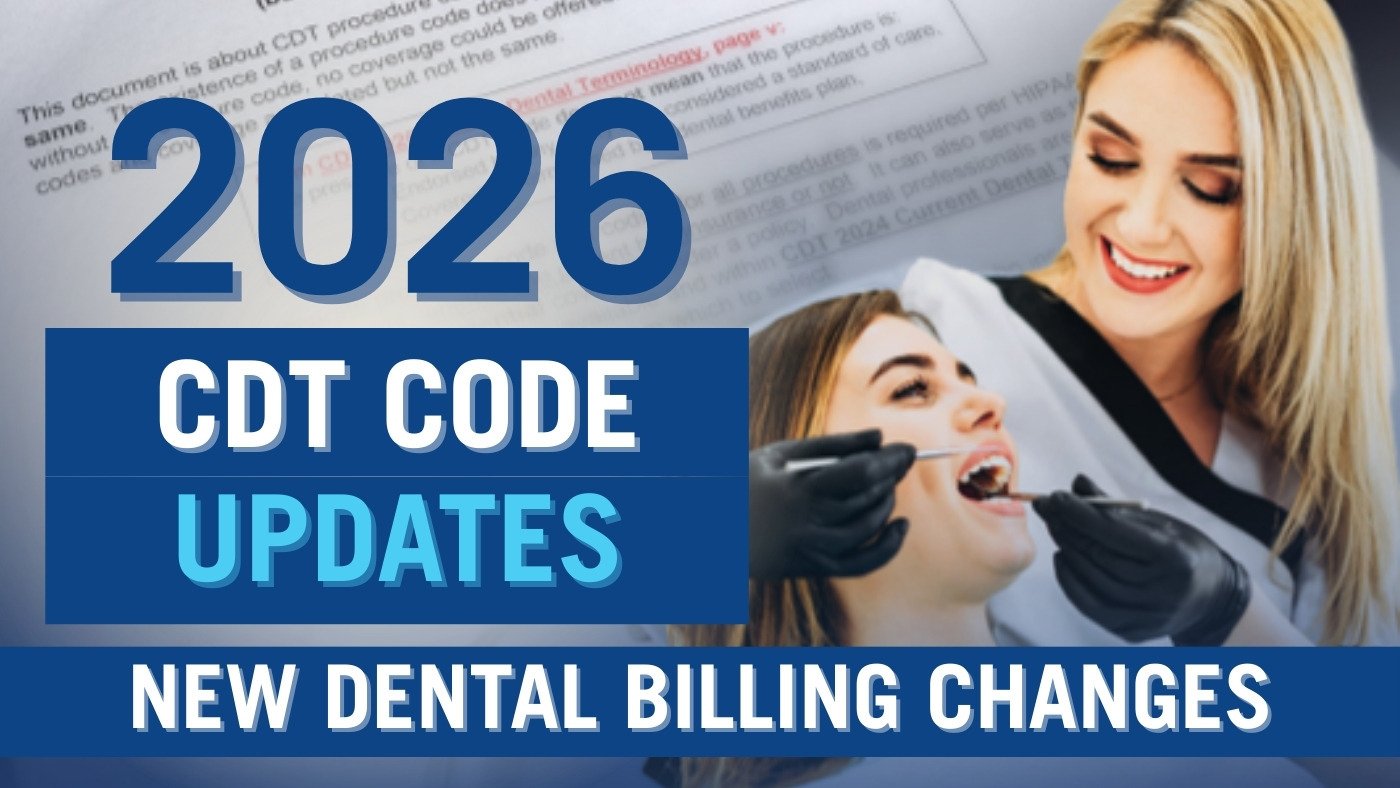
As we move through 2026, important changes in Current Dental Terminology (CDT) codes demand our attention to ensure efficient practice management and optimal patient care. Understanding these updates is crucial for dental professionals tasked with reporting procedures accurately and securing rightful reimbursements. Let's explore the key aspects of the CDT coding advancements and how they will impact dental practices.
Why CDT Matters and What’s Changing in 2026
The CDT system plays a pivotal role in standardizing dental insurance transactions and enhancing communication between the insurance providers and dental professionals. With ongoing updates, it's essential to keep abreast of the changes, as they can influence claim submissions and the overall financial workflow of a practice.
For 2026, the CDT updates introduced 31 new codes, 14 code revisions, and six deletions. These changes cover a wide range of dental procedures, including periodontics, implants, and restorative treatments. Two significant updates are the introduction of ICD-10 CM diagnostic codes for Medicare and Medicaid dental claims and enhanced clarity for certain procedural guidelines. These initiatives aim to streamline insurance processes, making it easier for dental practices to align with current best practices.
Accuracy, Efficiency, and Day-to-Day Coding Decisions
Accurate coding is the backbone of successful insurance reporting. Dental practices must prioritize using updated codes to minimize claim rejections and enhance reimbursement rates. As dental professionals, our goal is to maintain a high level of efficiency in billing operations while ensuring our provided services are clearly communicated to insurance entities.
One of the new focal points is preventive and hygiene services, positioning dental hygiene at the forefront of patient care. Codes such as 9911 for light-cured desensitizers highlight this emphasis, allowing practices to accurately report procedures and secure appropriate financial compensation. These codes are essential for validating chairside applications, linking them directly to patient outcomes.
Saliva Testing, Tooth Creams, and Evolving Documentation Expectations
With increased accountability expected from insurance providers, it's vital to harness the benefits of the latest procedural codes. Saliva sample evaluations, both lab-based and chairside, are gaining attention, with codes 0417, 0418, and the more definitive 0426 enabling comprehensive reporting. These advancements will aid in qualifying patients for dental tooth creams, improving patient outcomes by addressing demineralization efficiently.
Reimbursement complexities remain a challenge, particularly when addressing procedural norms between dental and medical coding intersections. Successfully navigating newer codes, such as those related to the application of nanohydroxyapatite and other cutting-edge materials, requires vigilance and adaptability. Dental practices must foster a culture of continuous learning to excel in insurance negotiations and align with industry standards.
Building Consistency Through Education and Team Alignment
To ensure smooth transitions, dental professionals must engage in ongoing education about CDT updates. This entails a collaborative approach between administrative and clinical teams, reviewing diagnostic code usage comprehensively during team huddles, and exploring workshops or courses that focus on diagnostic code proficiency.
Staying Ahead in Dental Practice Management
The shift towards more precise coding in 2026 reflects an overarching commitment to accuracy and improved patient care. As dental professionals, your adaptability and commitment to understanding these coding changes are vital to sustaining successful practice operations. By staying informed and embracing the nuances of the CDT updates, you can optimize practice management, ensure proper reimbursement, and continue delivering high-quality dental care.
I encourage all dental professionals to review the 2026 updates in detail, collaborate with peers to share insights, and leverage available resources to navigate these changes effectively. By doing so, you will equip your practice to thrive in an ever-evolving landscape, ensuring excellence in patient care and operational success.
Ensure Your Practice Is Fully Prepared
Ensure your practice is fully up-to-date on this year's coding changes.
Our downloadable 2026 CDT Coding Update Document summarizes essential procedural additions, revisions, diagnostic code requirements, and documentation tips to support accurate reporting and maximum reimbursement.